Style Prompt Guide: From Anime to Pixel Art

If you want to create images in the exact style you desire, utilizing style prompts is key. By combining keywords effectively, you can generate any style you want.
In this post, we have organized representative prompts by style so you can see at a glance what styles can be implemented. We have also prepared the ‘Nano-Banana’ Optimized Image Prompt Auto-Generator to help you quickly complete your own combinations, so please select your favorite style from the link below and try it out immediately.
Anime 2D · Cel Shading Style
This is used to implement the cel-shading style commonly seen in Japanese TV animations or animated films. It is characterized by clean lines and clear colors.
Major Prompts
modern TV anime
retro 90s anime look (colors and sensibility unique to 90s cel animation)
shounen action anime (dynamic composition and intense direction)
shoujo anime (romance/girl's comic style)
chibi style (SD character style)
mecha anime
sports anime
slice-of-life anime
fantasy anime film vibe
cyberpunk anime style
sci-fi neon anime
Prompt Usage Example
Modern TV anime style, thin clean lineart, 3-tone cel shading, soft bloom, crisp highlights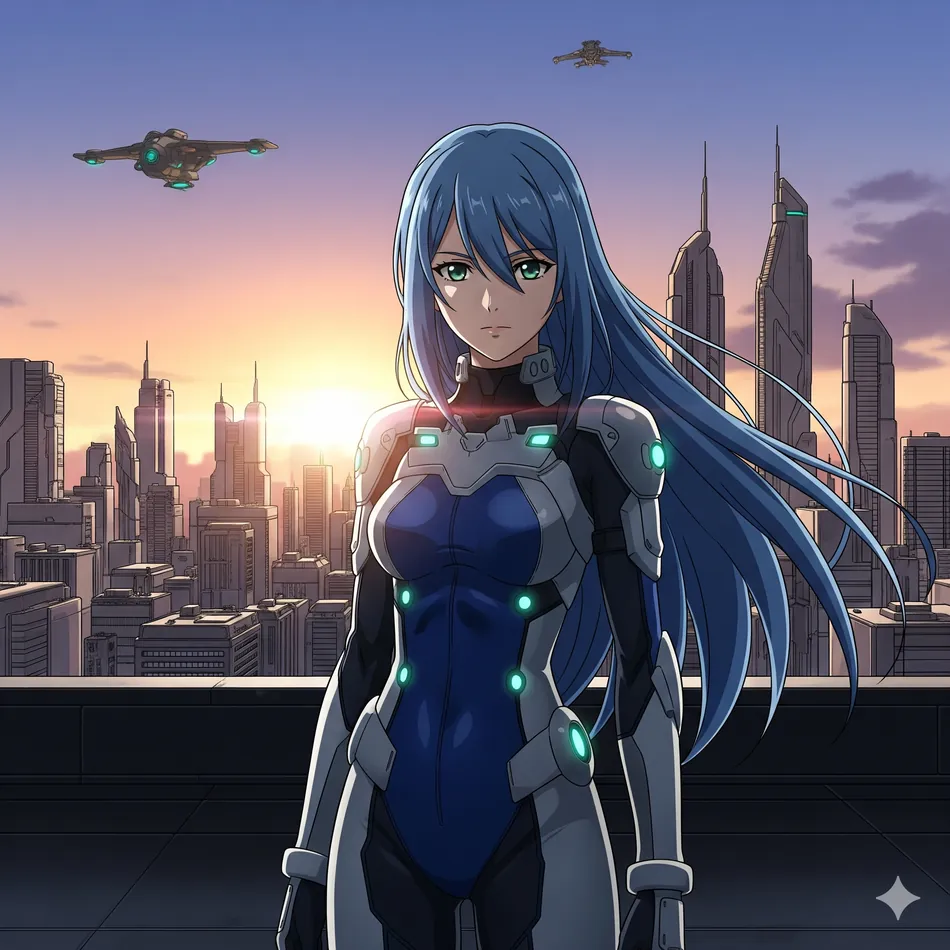
Manga (Black & White/Tone) Style
Used when you want expressions unique to comic books, such as black and white, screentones, and focus lines. You can implement different pen touches and directions for each genre.
Major Prompts
manga (standard black and white comic format)
seinen gritty manga (dramatic/serious manga style for young adults)
shoujo manga BW (romance manga style)
gag 4-koma manga (4-panel comic style)
action manga (maximizes dynamism)
mecha manga (detailed mechanical depiction)
seinen realistic (realistic style for young adults)
comedy chibi manga (gag format emphasizing cuteness)
romance manga
experimental manga
noir manga
Prompt Usage Example
a female swordsman, manga, black and white, inked lineart, halftone dots, screentone shadows, clean panel borders, variable line weight, calligraphic taper, pressure-sensitive brush, halftone shading, dot screen 45°, adjustable lpi, hands mid-action, medium-full shot, knees to head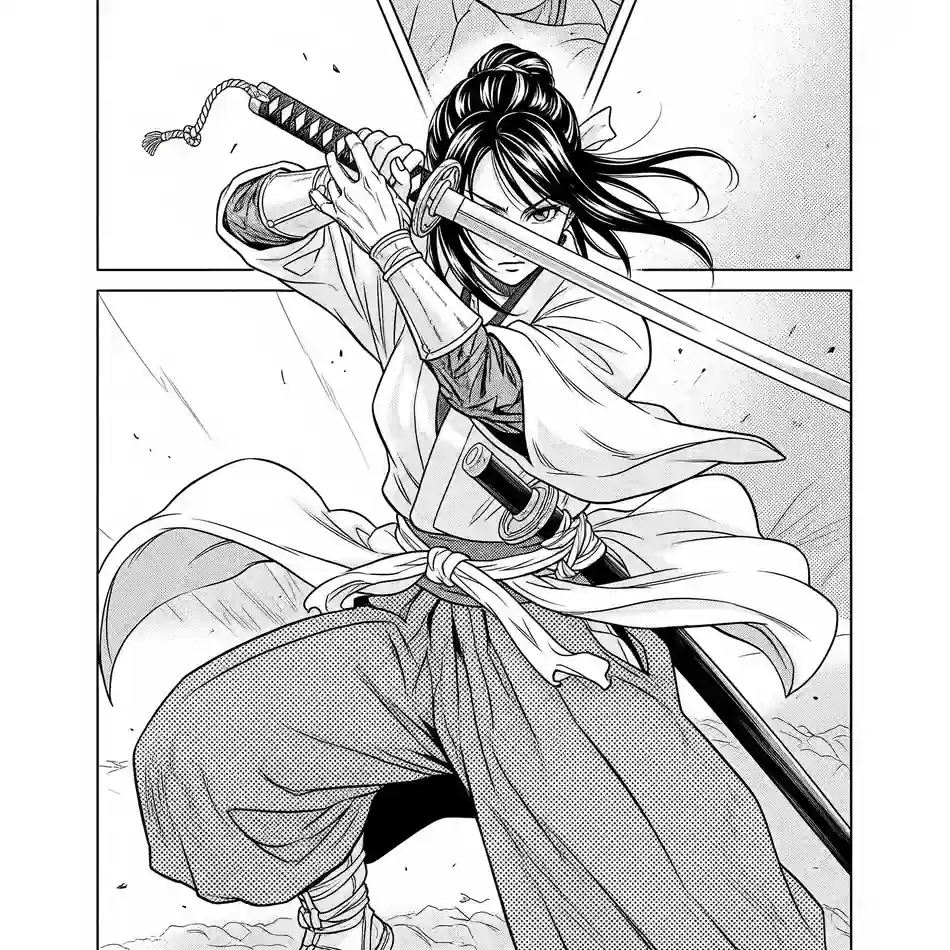
Webtoon · Color Comic Style
Used to implement a full-color style optimized for the webtoon format. It features clear colors, clean lines, and the use of gradients and effects.
Major Prompts
webtoon color
webtoon semi-painterly
urban neon webtoon
fantasy webtoon
romance webtoon
drama webtoon (expressing a serious atmosphere with low saturation and cinematic direction)
space action webtoon
chibi webtoon cut-in
slice-of-life webtoon (creating comfort with calm colors and warm atmosphere)
Prompt Usage Example
Drama webtoon,row angle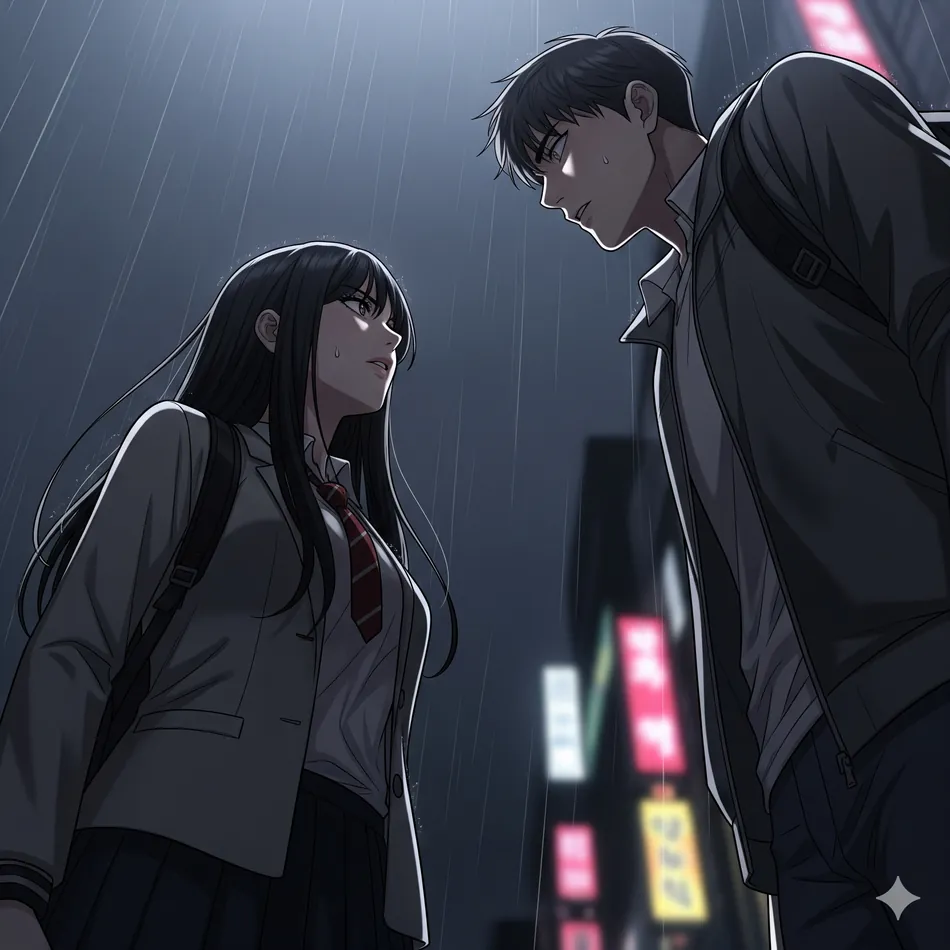
Line Weight · Line Style
Specifies the style of the lines that influence the overall impression of the drawing. You can create the desired feel through various variations such as pen, brush, and thickness.
Major Prompts
bold outline
thin hairline outline (used for detailed and precise depiction)
variable line weight (line style where pen pressure is felt)
rough pencil line
brush ink line (oriental painting or calligraphy feel)
marker outline
monoline vector stroke (consistent thickness, clean like icons)
dotted outline (decorative or cut-line feel)
white outer stroke (separates subject from background like a sticker)
no outline
Prompt Usage Example
An expressive portrait of a tiger's face, focusing on the powerful line work, brush ink line, variable line weight, calligraphic taper, pressure-sensitive brush, dry-brush texture, black ink on white paper, no shading.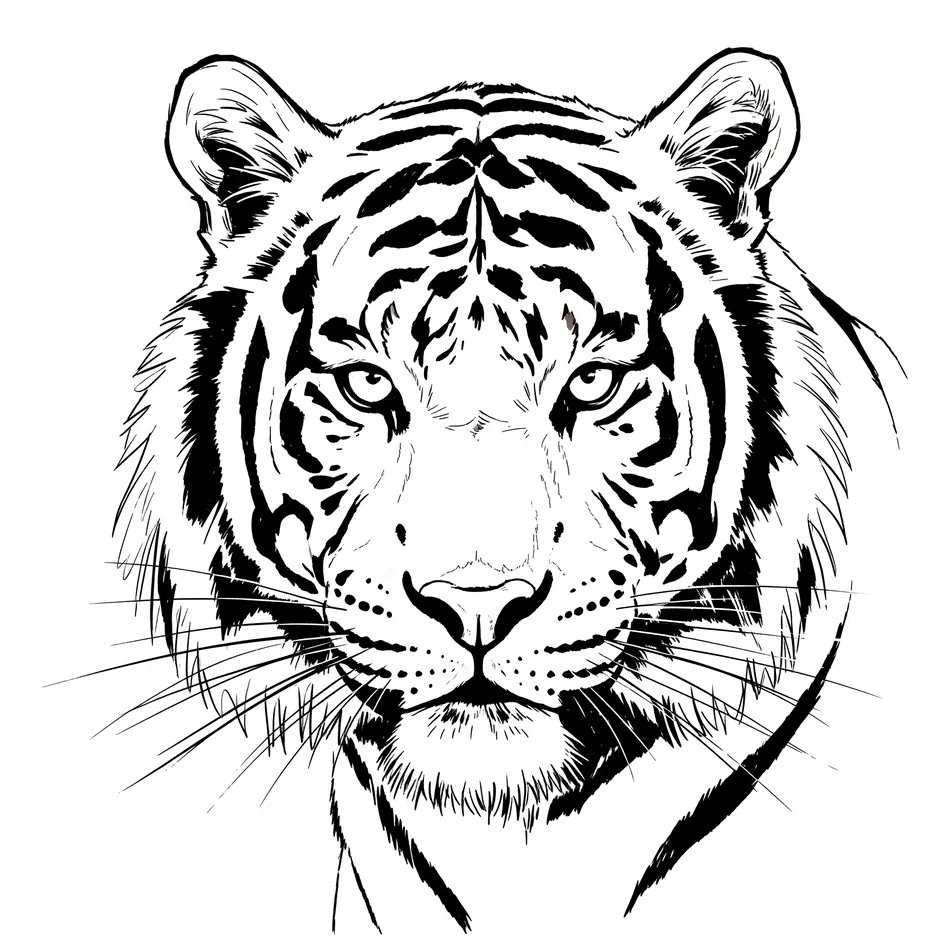
Shading Method Prompts
Specifies the shading style that expresses the three-dimensionality and texture of characters or objects. It ranges from simple cel shading to complex gradients.
Major Prompts
cel shading 2-tone (basic anime style distinguishing light and dark in 2 steps)

cel shading 3-tone (expressing light and dark in 3 steps)

soft gradient shading (smooth color transition like an airbrush)

posterized shading (simplifying color steps like a graphic poster)

halftone shading (using small dots to express shading like print media)

cross-hatching shading (expressing shading by crossing lines)

stipple shading (shading using dots)

rim-light only

ambient occlusion (adds realism by expressing shadows where objects meet)

toon specular band (band-shaped highlights typical of animation)

flat color
Palette · Color Scheme Prompts
Determines the overall color and mood of the image. Used to specify color combinations ranging from soft pastel tones to intense neon.
Major Prompts
pastel palette
neon palette

duotone palette (high contrast using only two colors)

monochrome palette (expression using only brightness and saturation changes of a single color)

limited 16-color palette (retro game style using limited colors)

vaporwave palette (retro style centered on pink and turquoise)

sepia palette (warm brown tone vintage look like old photos)

black and red palette (intense contrast between black and red)

earth tones (calm colors reminiscent of nature like soil and trees)

grayscale only

CMYK process look (visible dots like actual print media)

candy colors (bright and cheerful primary colors)
Material · Medium Prompts
Expresses the texture of the material used to create the image. Used when recreating the feel of analog media such as watercolor bleeds, oil paint thickness, or pencil texture.
watercolor

gouache (matte opaque feel and visible brush marks)

acrylic (flat and opaque coloring with almost no texture)

oil painting

ink wash (sumi-e)

charcoal (rough yet soft shading and powdery texture)

graphite pencil (layered sketch lines and paper texture)

colored pencil (distinct texture and layered hatching technique)

alcohol markers (layered transparency and marker strokes)

crayon (thick and blunt texture)

pastel chalk (soft edges and powdery texture)
Prompt Usage Example
A dramatic seascape of a stormy ocean with crashing waves, impressionistic style, oil painting, impasto, visible heavy brush strokes, thick paint, turbulent texture, palette knife marks.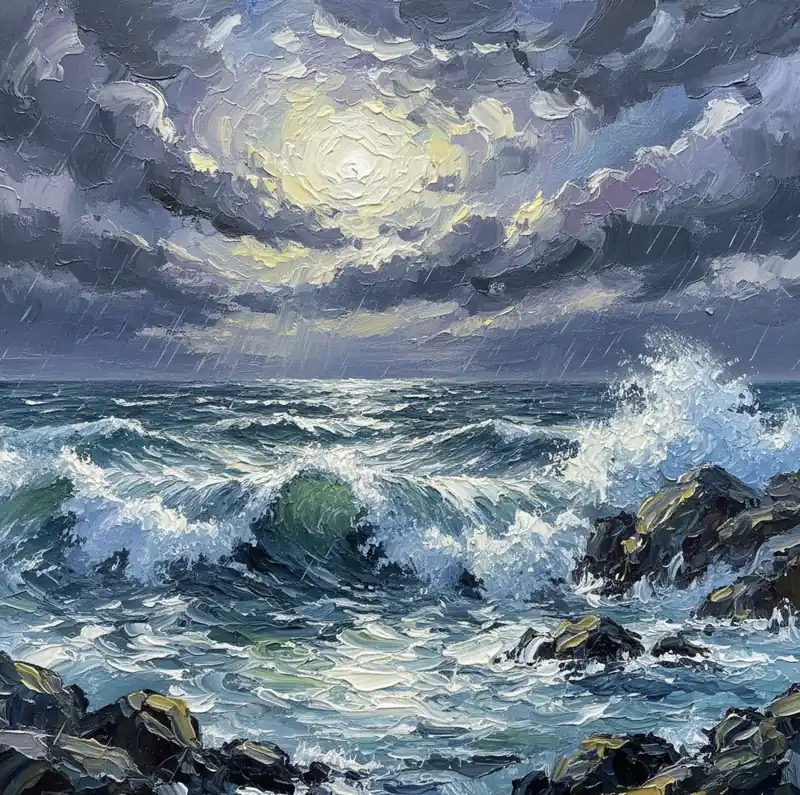
Anime 3D · NPR Prompts
Used to implement Non-Photorealistic Rendering (NPR) styles that are based on 3D modeling but look like cartoons or animations rather than realistic images.
stylized 3D anime (3D rendering with a 2D feel)

NPR toon shader (non-photorealistic shading technique for cartoon rendering)

hand-painted textures (painterly and soft texture)

anime 3D film vibe

matcap shader (expressing texture and lighting with a single texture)

plastic toy render (smooth and glossy toy texture)

vinyl figurine look (collectible figure feel with soft shading and reflections)

clay render (texture like molded clay with a matte surface)

vertex color shading (shading using vertex colors without textures)

inverted hull outline (common technique for creating clean outlines on 3D models)

cel specular bands (vivid band-shaped light reflections like in animation)

NPR hatching shader (non-photorealistic shading expressing shading with ink-like hatching)
Prompt Usage Example
A cute chibi character designed as a collectible figure, vinyl figurine look, smooth shading, subtle rim light, soft reflections, matcap shader, shiny plastic look, studio lighting, plain background.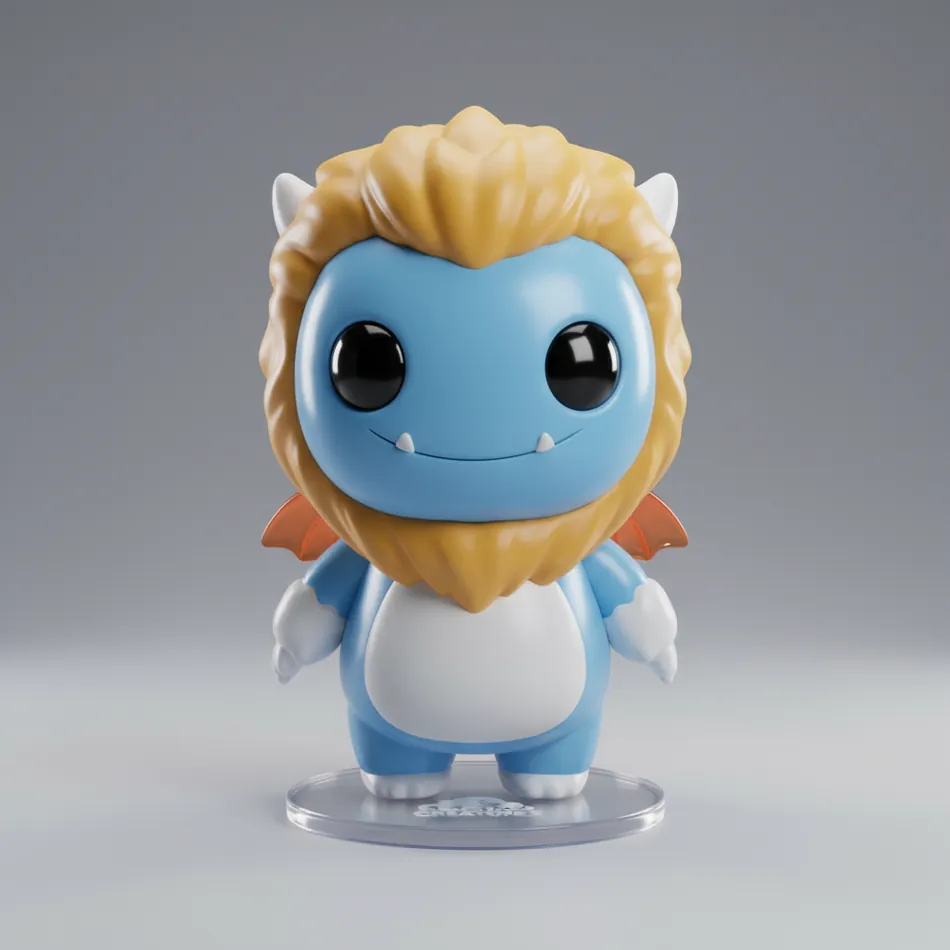
Retro 3D · Low Poly Prompts
Recreates the aesthetics of early 90s 3D games like PlayStation 1 and N64. Features include angular polygons, low-resolution textures, and vertex lighting.
Major Prompts
PS1-style low poly (angular polygons and low-res textures)

PS2 retro look (more advanced than PS1 but still retro 3D graphics)

N64-era (unique foggy colors and 3D graphics)

Dreamcast-like

low-poly diorama (miniature feel made with angular models)

voxel style (graphics made of small cubes like Minecraft)

isometric low poly (clean low-poly graphics in oblique perspective)

wireframe render (showing only the framework lines of the 3D model)

graybox prototype (game development early stage look composed only of basic shapes without textures)

mobile stylized 3D (optimized graphics characterized by simplified forms and baked lighting)
Prompt Usage Example
A female adventurer exploring ancient ruins, PS1-style low poly, affine texture warping, low-res textures, vertex jitter, no anti-aliasing, vertex-lit shading, crisp edges.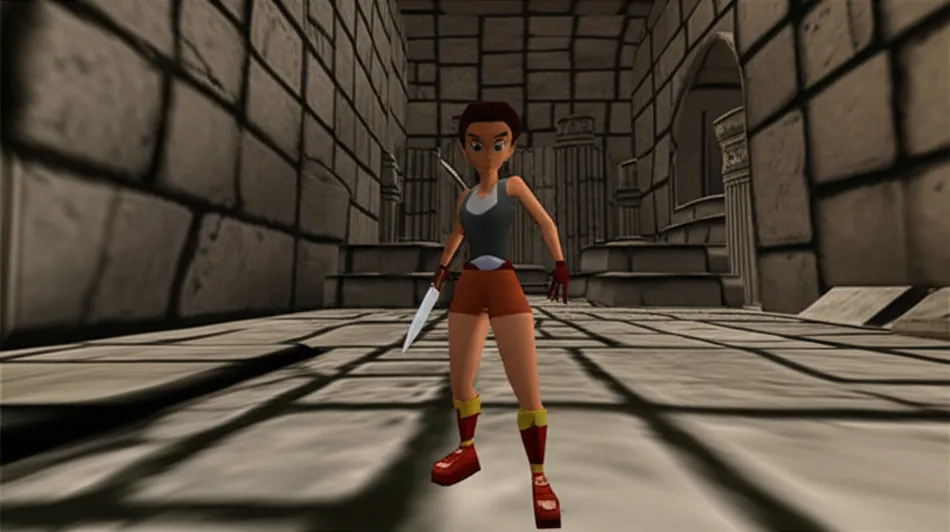
Pixel · CRT Prompts
Recreates the visual characteristics of 8-bit/16-bit games or old CRT monitors. Limited colors and resolution are key.
Major Prompts
pixel art (standard dot graphics form)

soft dithering (technique mixing limited colors for smooth transition)

retro JRPG tileset (dot graphics composing classic RPG game maps)

SNES-era 16-bit look

Game Boy palette (early handheld game screen composed of 4 shades of green)

EGA 16-color (early PC graphics with 16-color limit and dithering)

CRT filter (scanlines and screen distortion typical of old CRT monitors)

LCD subpixel effect (effect where RGB pixel grid of LCD screen is visible)

chunky pixels (blunt and angular dots with clear pixel boundaries)

pixel portrait

pixel isometric diorama (3D structure in pixel art with quarter-view perspective)

ANSI/block art (computer graphics made by combining text characters)
Vector · Flat Graphics Prompts
A graphic style composed of clean and sharp lines and shapes. Mainly used for infographics, icons, and modern illustrations.
Major Prompts
flat vector illustration (planar graphics composed of simplified forms and clean lines)

duotone poster (expresses image with only two colors for strong impression)

long-shadow flat design (adding long shadows to flat graphics for depth)

isometric vector (technique to make 2D look 3D)

outline-only vector (expressing image only with lines without color fill)

gradient-mesh vector (features smooth and realistic color expression)

Memphis pattern (geometric and colorful patterns unique to the 80s)

infographic flat (clean design for visual information delivery)

sticker style (adding a white border around the image)

silhouette vector (expressing form only with the outline of the subject)
Prompt Usage Example
A person working on a laptop at a clean desk with plants and coffee, isometric vector, grid-aligned, no stroke variation, flat fills, long-shadow flat design, soft AO, pastel UI colors.
Print · Screentone Dot FX
Used when you want to recreate the unique texture or characteristics of print media in digital images. Effective for adding analog sensibility.
Major Prompts
halftone print (overlapping CMYK color dots pattern)

risograph look (unique colors and slightly misaligned texture of spot color printing)

screen print (limited ink colors, rough edges, solid color fill)

newsprint (ink bleed and rough halftone texture like old newspapers)

photocopy zine (strong black and white contrast and toner marks like copied materials)

duotone print (printing with two tones, base color plus one accent color)

offset print vibe (recreating slight registration errors or dot gain)

paper wear (adding worn paper textures like fold marks or frayed edges)

UV spot gloss highlight (highlighting specific parts with gloss on matte background)

emboss/deboss effect (three-dimensional effect of pressed or raised paper)
Prompt Usage Example
A retro sci-fi poster of a rocket flying past Saturn, risograph look, limited spot colors, misregistration, overprint textures, coarse halftone print, paper wear, fold marks.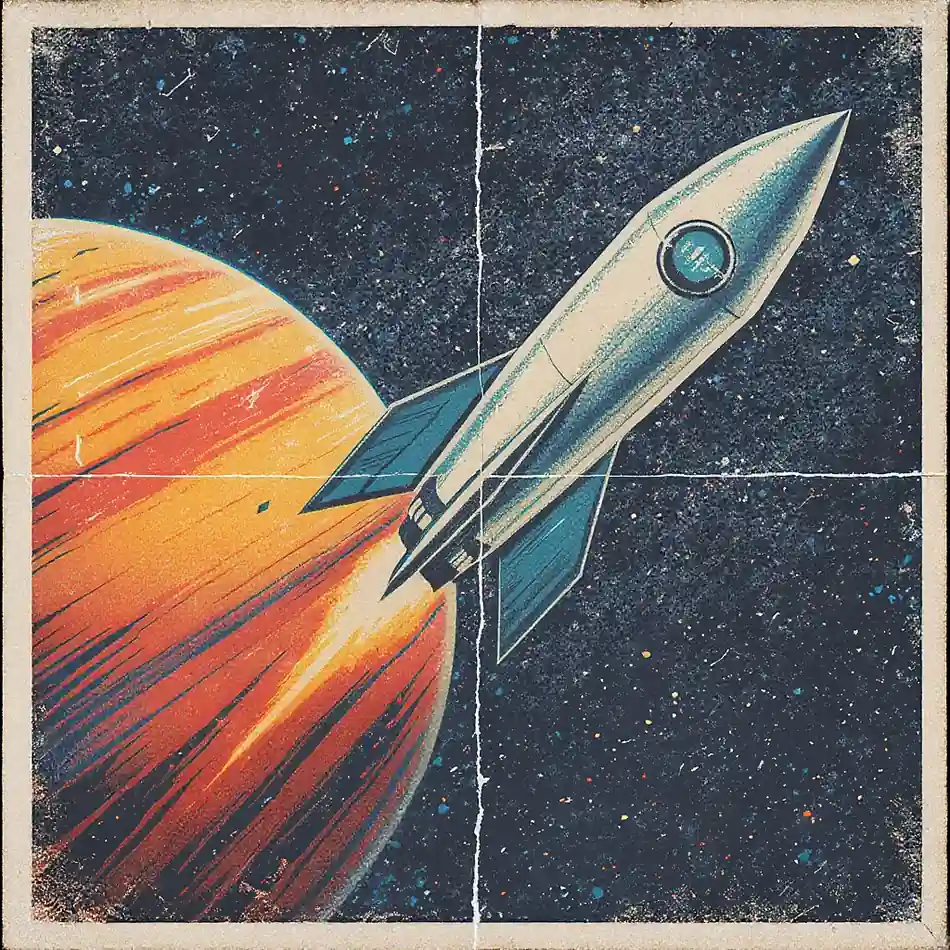
Edge/AA Control & Effect Prompts
Used to finely tune line edges (anti-aliasing) or add comic-style effects to make the drawing more dynamic and rich.
Line and Border Control
soft edges (edges are softened, giving a blurry feel)
hard posterized edges (color boundaries cut off clearly like steps)
no anti-aliasing (angular pixel boundaries showing stair-stepping)
wobble lines (lines that tremble slightly as if drawn by hand)
ink bleed edges
outer glow outline
sticker-cut feel (clean silhouette as if cut out)
Comic Direction and Camera Effects
speed lines (expressing dynamic movement)
bold onomatopoeia (comic-style text/sound effects)
Dutch tilt (camera tilting technique to give dynamism and tension)
parallax layers (separating foreground and background to give depth)
Visual Effects and Textures
glow bloom (making light sources soft and bright)
chromatic aberration (lens distortion giving a retro/glitch feel)
distressed texture (scratched or worn feel)
vintage page (texture of old paper, yellowed or rough)
Mood & Atmosphere Style Prompts
Used to decide the overall atmosphere and narrative of the image by adding emotional prompts on top of the styles introduced earlier (e.g., anime, oil painting). These act as emotional directives rather than visual styles. Combining different mood keywords with the same style can create completely different results.
peaceful
dynamic
cozy
mysterious
surreal
vibrant (vivid and lively atmosphere, high saturation colors)
epic
whimsical (fairy-tale-like and imaginative feel)